 Buying guide
Independent · UK & EU rules · English, Spanish, German
Supplement guides for the UK and Europe — checked against the rules, compared by the dose.
Independent guides that check every health claim against the GB and EU claims registers, NHS advice and other official sources, and compare products by the real dose on the label. UK product checks and price comparison will follow.
Every health claim linked to an official source
Guides in Spanish, English and German
Rankings are never paid for
The real daily dose, not the number on the front
How it works
- 01
Start from your goal
Sleep, energy, training, immunity: pick a goal or an ingredient and find the guide that answers it.
- 02
See what the evidence and the rules say
Each guide shows the authorised claims (GB and EU registers), the NHS and EFSA upper limits and what the studies actually found, with links to the sources.
- 03
Choose the right form and dose
We turn every label into the real amount per daily dose, so a bigger number on the front doesn’t win.
Browse by category
All supplements →Start with these guides
All guides → Buying guide Magnesium forms compared: which one to buy in the UK and EU Bisglycinate, citrate, oxide and more compared by elemental magnesium, absorption, authorised claims and the NHS and EFSA maximum doses. 8 min read
 Sports nutrition Creatine monohydrate: dose, Creapure and what the law allows How much creatine to take, why 3 g of monohydrate is not 3 g of creatine, whether Creapure is worth it, and the truth about water and hair loss. 7 min read
 Buying guide Vitamin D in winter: UK advice, dose and the safe maximum Why vitamin D drops from October to March, what the NHS advises (10 µg a day), the 100 µg safe maximum, and how EU countries set their limits. 7 min read
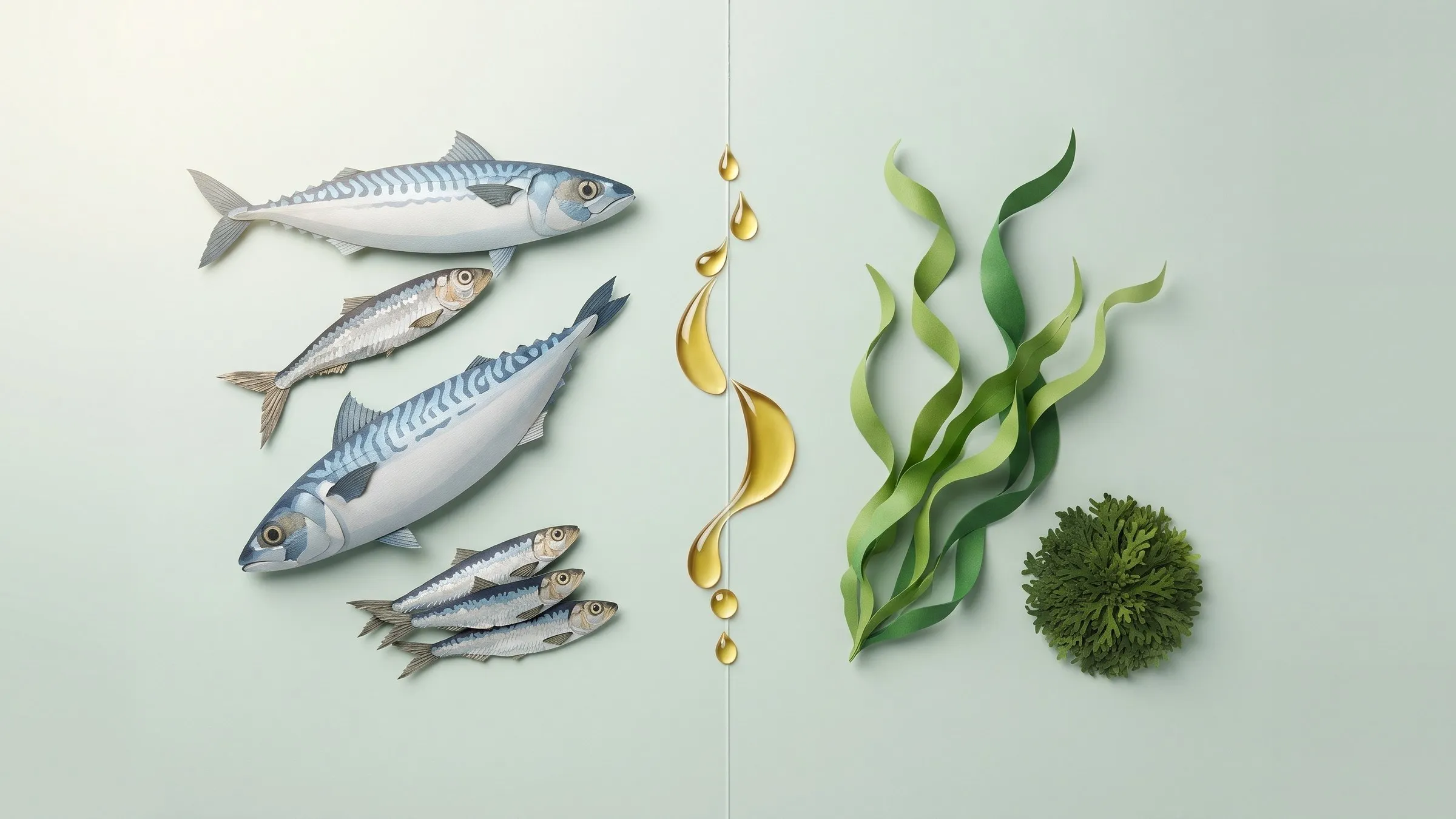 Buying guide Omega-3: fish oil vs algae oil — which to choose How much EPA and DHA you need, NHS fish advice, what UK and EU law allow omega-3 to claim, whether algae oil works like fish oil, and price per gram. 8 min read
Latest guides
All guides → Buying guide  Explainer
Approved supplement health claims (UK and EU): full table
 Explainer
Supplement maximum levels: UK and Europe by country (2026)
Latest news
All news →- UK-EU food deal agreed: EU supplement rules in GB from 2028 The summit closed the deal, which should apply from 1 March 2028. Until then GB rules stay. After that, Great Britain follows EU rules on supplements, health claims and novel foods, with a transition for CBD until October 2029.
- Influencer supplement posts: just 5 of 378 health claims allowed The Verbraucherzentralen looked at 27 influencers. One post in five implied a product could prevent or cure disease, and no ad was labelled correctly. The same claims rules apply to ads in the UK.
- UK advisers: avoid echinacea supplements in pregnancy The committee found no clear sign of harm in the studies it reviewed, but large gaps in the evidence. Unless a healthcare professional recommends them, pregnant women are advised to avoid echinacea food supplements.
Free to read. Paid for by shops, never by rankings.
Some links to shops may become affiliate links: if you buy after clicking, the shop may pay us a small commission, at no extra cost to you. That keeps NutriMetrics free. What we recommend is decided by the evidence, the dose and the label — never by who pays.
Read our methodology- The real dose first. Compound weights and “1,500 mg” headlines are turned into what you actually get.
- Quality signals shown. Form, dose and third-party testing are listed next to the product.
- Official sources. Every health statement links to the GB or EU claims register, the NHS, EFSA or another official body.