Buying guides and ingredient explainers, written for UK readers first. Every health statement links to an official source: the NHS, the GB or EU claims register, EFSA or another national authority.
How much real magnesium each form contains, what official bodies say about absorption, which claims are allowed in the UK and EU, and why the NHS, EFSA and Germany give different limits.
Multivitamins are the default "insurance" supplement. Large trials and long-running studies have tested that idea in hundreds of thousands of people. The results are mostly disappointing, with a couple of interesting exceptions. Here is what they found and how to choose if you buy one anyway.
The UK's Food Standards Agency is reviewing its safety, Denmark has banned it, the Netherlands is moving against the leaf and Germany advises several groups to avoid it. Here is the country-by-country picture and what the trials actually show.
Collagen has no authorised health claim in the UK or EU, a 2025 meta-analysis questions its effect on skin, and added magnesium is the only thing that lets the pack make a legal promise. Here is what you are actually paying for.
Every winter the shelves fill with "immune" gummies, shots and complexes. Ten vitamins and minerals may legally say they support your immune system, and the threshold to say so is low. Herbal favourites such as echinacea have no authorised claim at all. Here is what the law and the trials say.
Iron is one of the few supplements with a clear effect on tiredness — but only if you are low. Taking it without a test can be useless or harmful. Here is what official bodies and trials say.
In the UK, melatonin is a prescription medicine, not a supplement. In much of the EU it is sold over the counter with an authorised sleep claim. It helps you fall asleep, not sleep deeper, and the effective dose is lower than most products suggest.
Neither the UK nor the EU has legal maximum doses for vitamins and minerals in food supplements. Here is what the NHS advises, what 12 other European markets allow, how binding each limit is, and the rule that lets products cross EU borders anyway.
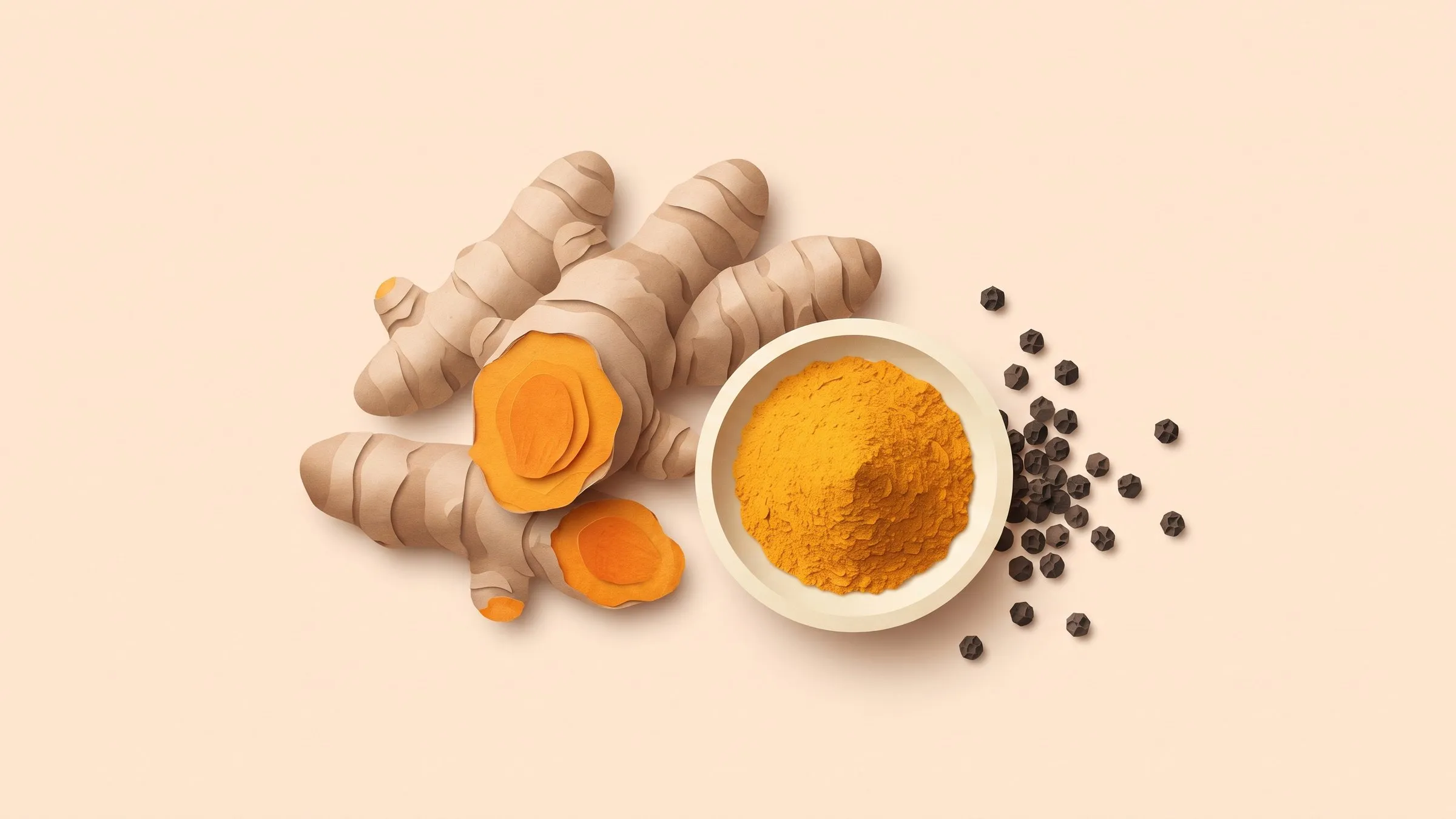
Turmeric is a kitchen spice, but concentrated curcumin capsules are a different product. Since 2019, several countries have linked them to rare cases of liver injury, and some now require warnings on the label. Here is what happened, the limits regulators use and who should avoid them.
Magnesium is the first thing most people reach for when a calf cramp wakes them at night. For older adults the trials say it barely beats a placebo; in pregnancy the evidence is mixed, and for sport there are no good trials at all. Here is what does help.
Most supplements can be swallowed together without a second thought. A few combinations really matter: some block each other, some weaken a medicine, and one pair works better together. Here they are in one table, each with the gap that the official sources give.
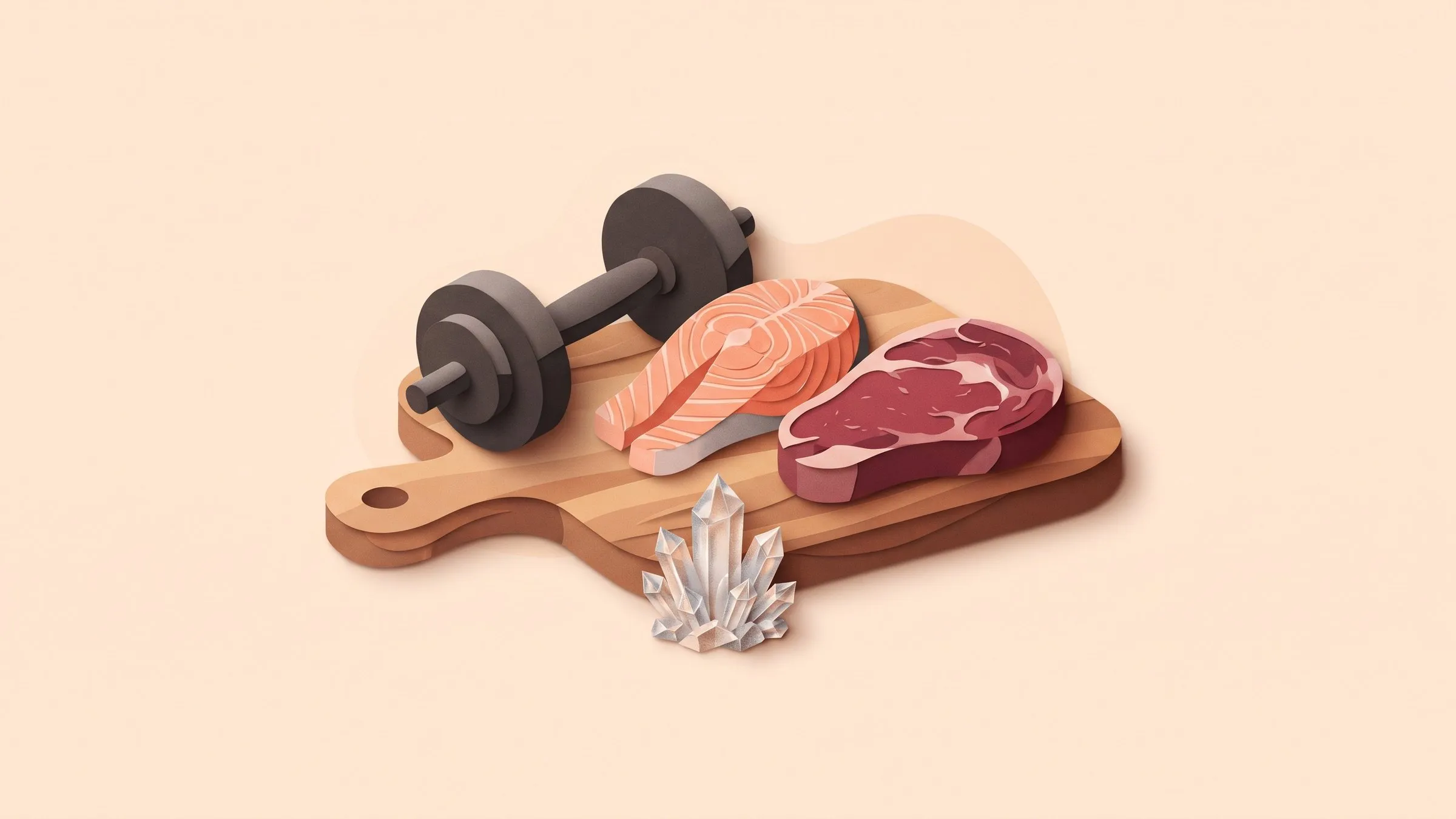
Creatine is the one supplement with an EU health claim written for people over 55. The catch is in the conditions: the claim only holds with real strength training, three times a week, heavy enough to count. Here is what that means, what the trials found and what creatine does not do.
Red yeast rice was sold for years as a "natural" way to lower cholesterol. Its active substance is chemically identical to a prescription statin, EFSA could not find any safe daily amount, and in October 2026 the last political hurdle to an EU-wide ban fell. Here is what that means if you take it.
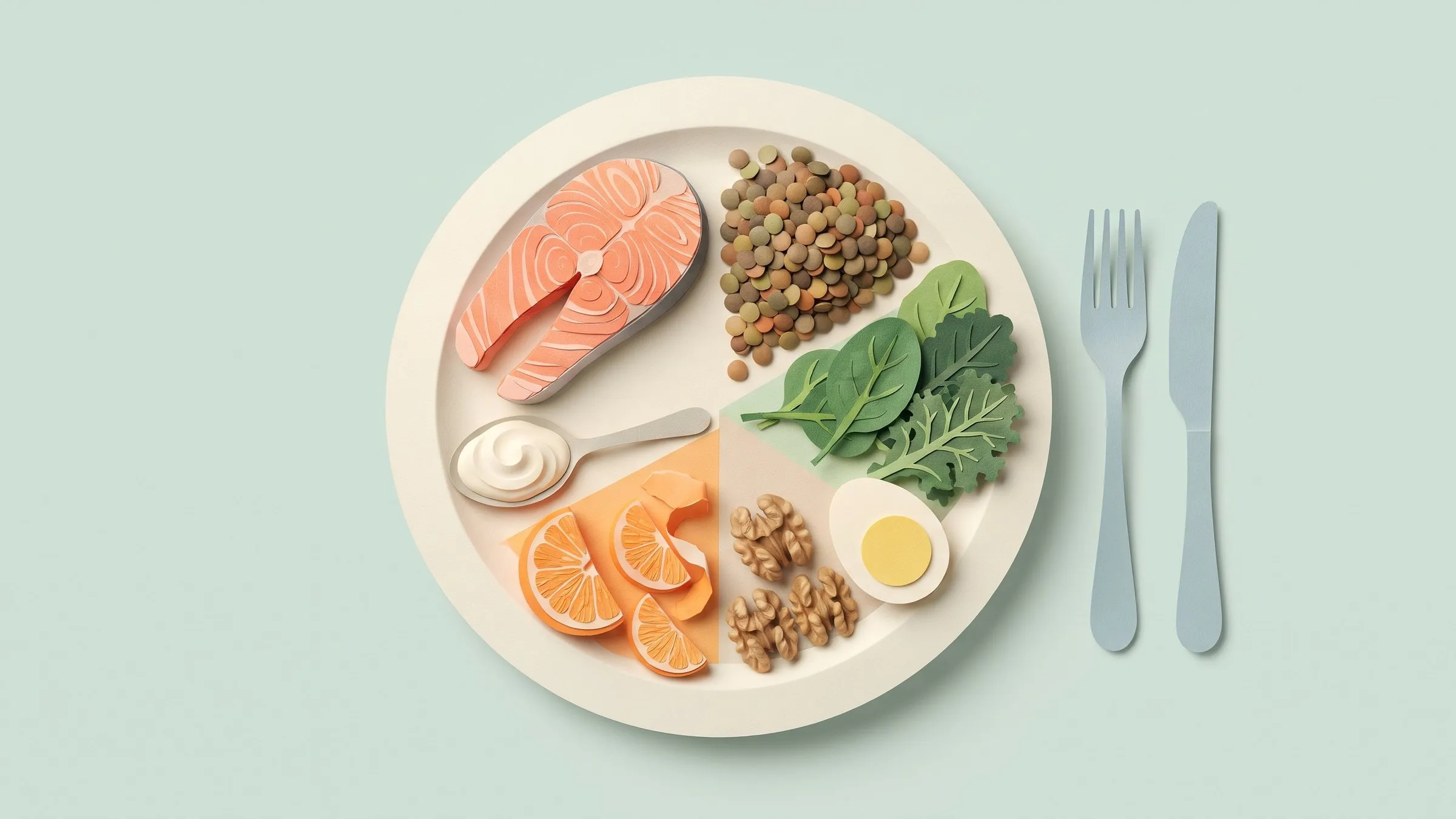
Even the law says it, in the UK and the EU: food supplements are no substitute for a varied diet. We go through nine nutrients, which ones food covers easily, which only in part, and when a supplement is the sensible choice.
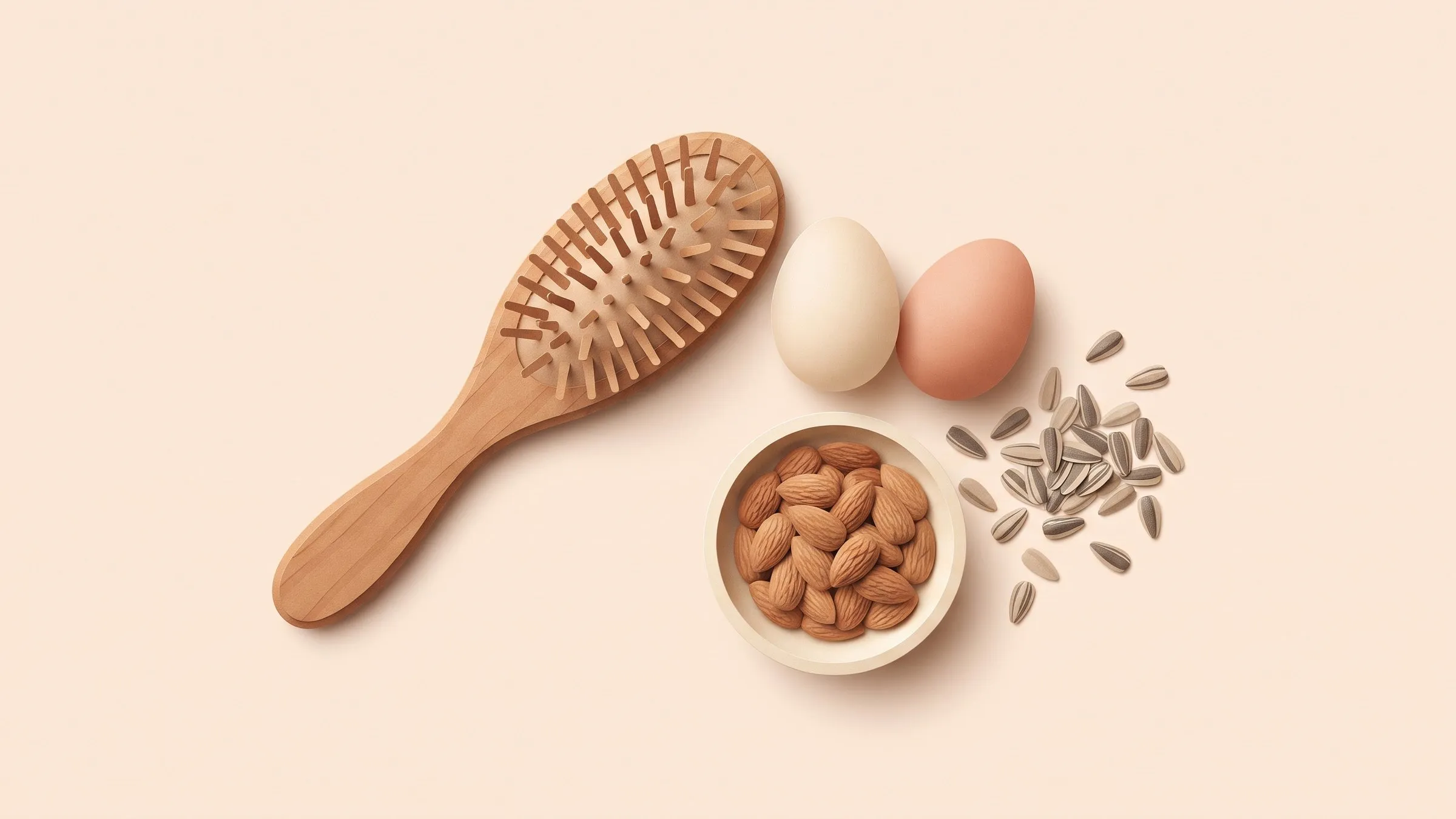
Biotin is the best-selling "hair vitamin" in Europe, usually at 5,000 to 12,000 µg a day. The evidence that it helps people who aren't deficient is thin, and at those doses it can throw off common blood tests. Here is what to check before you buy.
Muscle aches are the most common complaint about statins, and CoQ10 is the supplement most often suggested for them. The idea makes sense on paper. The trials don't agree, and the main guidelines don't recommend it. Here is the evidence, and what to do instead.
Creatine is no longer just a gym supplement: more and more women search for it for strength, menopause or memory. The performance benefits are clear; the rest is not yet. Here is what the studies show.
Glucosamine and chondroitin are the most common joint supplements in Europe, usually sold together in one tablet with MSM. Two decades of trials have produced conflicting results, and expert bodies disagree about them. Here is what the main studies found, why the guidelines differ and how to try them sensibly.
In the UK, a supplement can only make health claims that are listed in the Great Britain register, in the authorised wording and at a minimum dose. The EU works the same way. This table shows what magnesium, vitamin D, omega-3, creatine, melatonin and others may claim — and what they may not.
Creatine is the best-studied sports supplement and one of the few with authorised health claims in the UK and EU. Here is what it does, how much to take and which myths you can ignore.
A supplement label tells you far more than it seems: how much active ingredient you really get, whether the dose exceeds safety limits and whether the promises are legal. A practical five-step guide.
These are three of the biggest online sports nutrition brands in southern Europe. The tub price is misleading: it changes week to week and each brand uses a different serving. Here is how to compare them fairly.
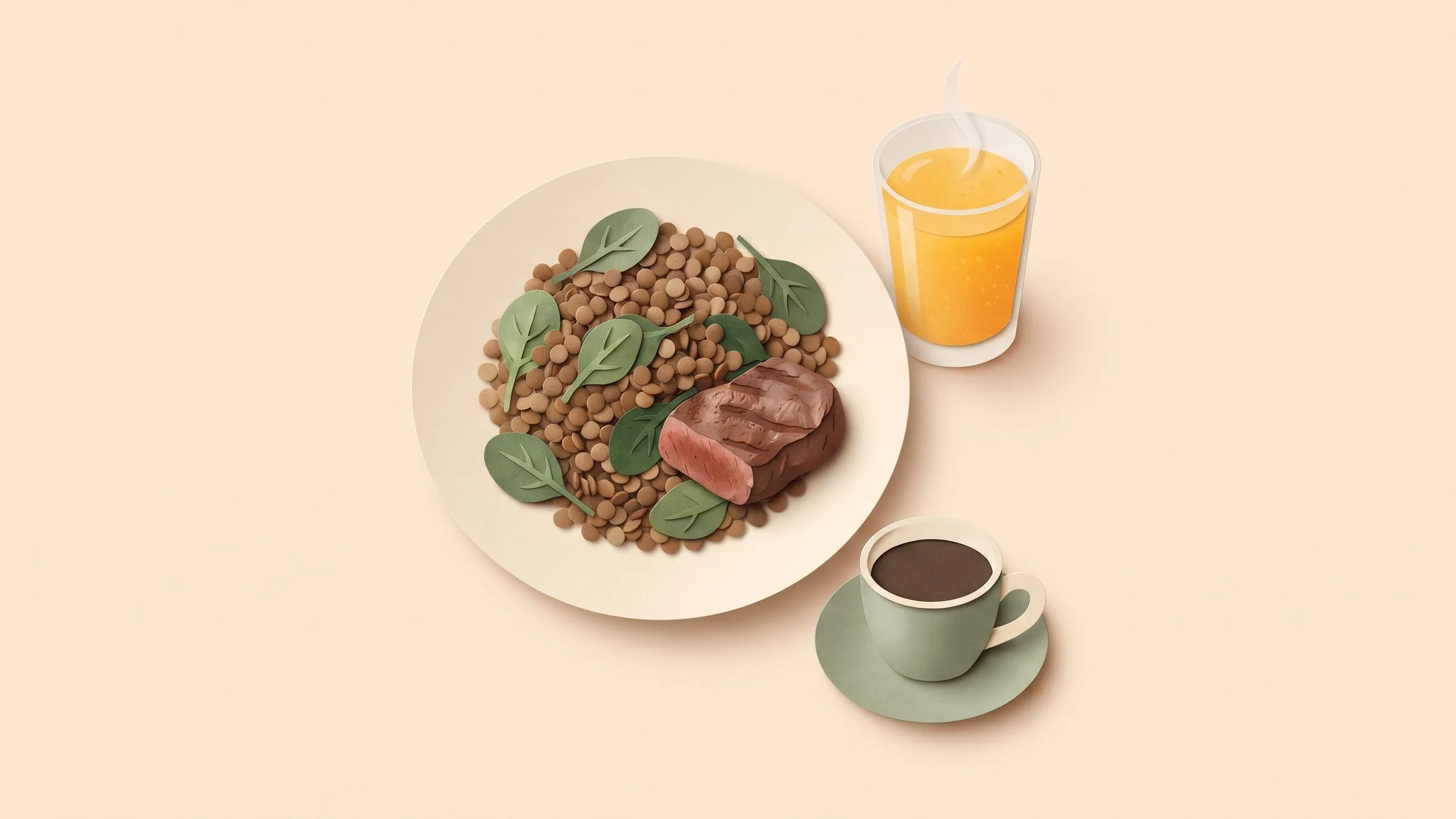
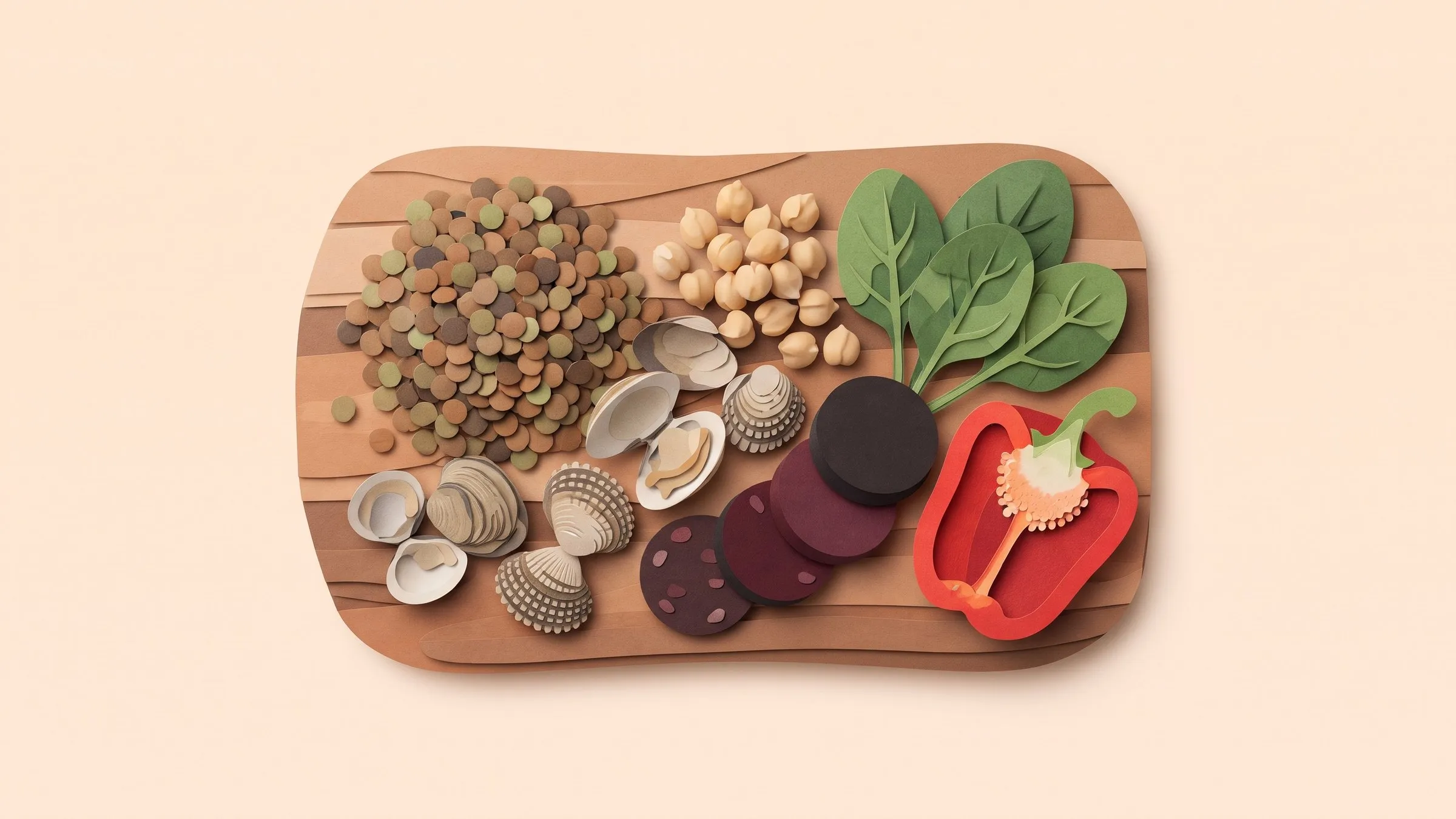
With iron, what is on the plate next to it matters as much as the food itself. We show how much each serving gives, why the iron in lentils is absorbed less well than the iron in meat, and how to make up for it.
Magnesium is the most searched-for sleep supplement. Trials show a small effect, mainly in people low in magnesium, and UK and EU law allow no sleep claim for it. Here is what is actually known.
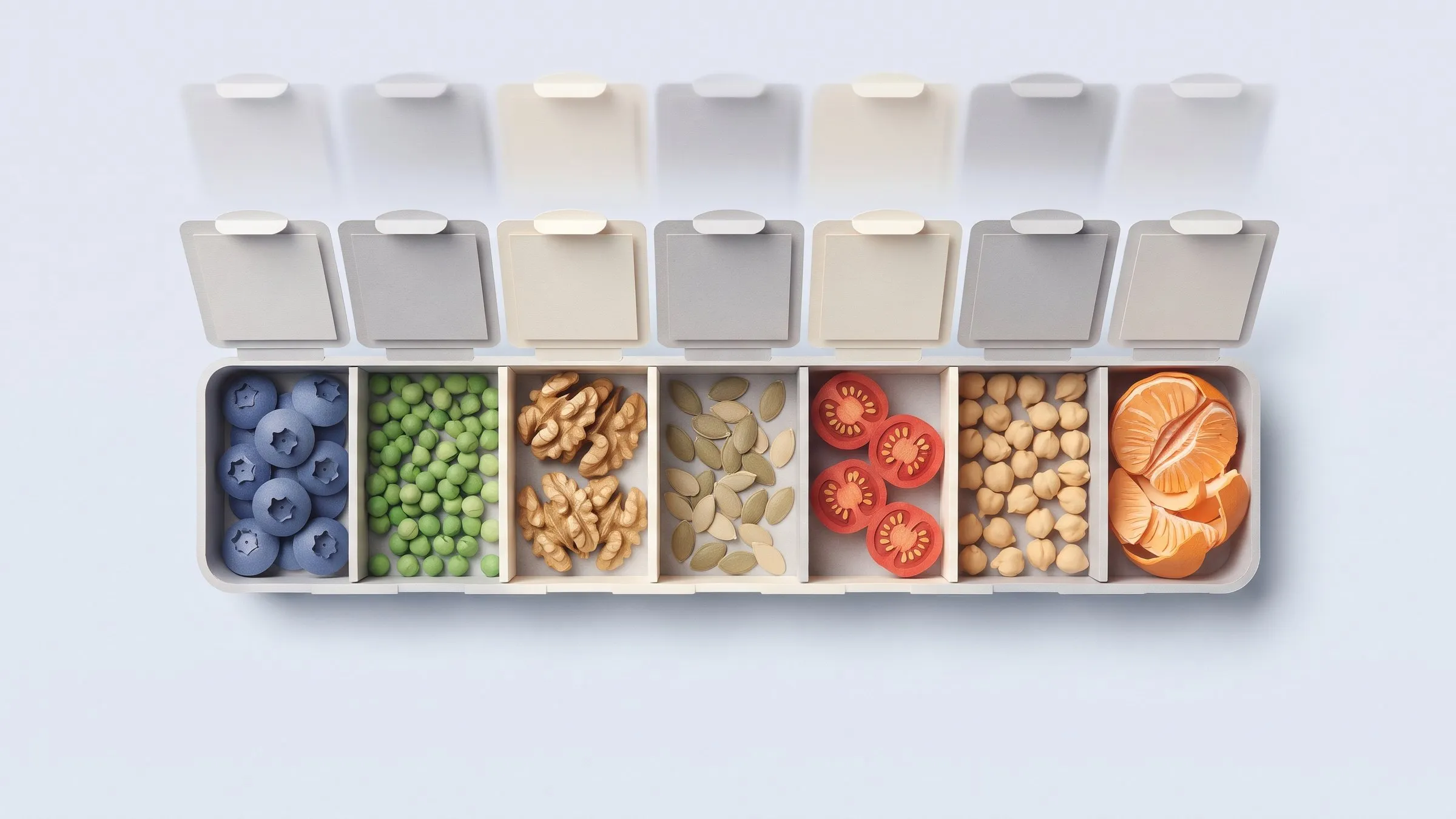
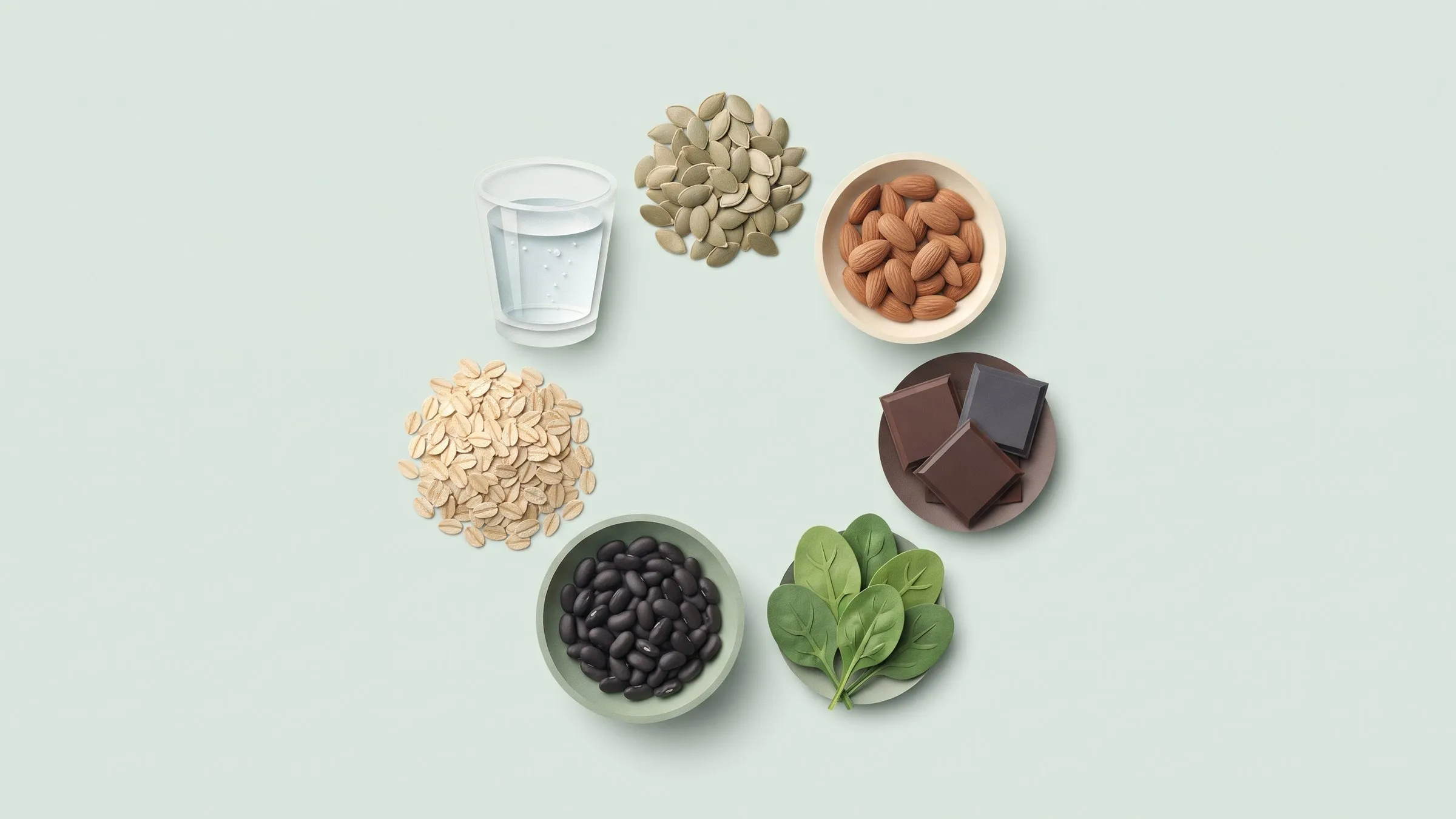
Most adults can cover their magnesium without pills. We show how much each real serving gives you, which foods meet the UK and EU threshold for "high in" magnesium, and two recipes with more than 150 mg per plate.
What matters in an omega-3 supplement is not the oil but how many milligrams of EPA and DHA each dose delivers. We compare fish and algae oil using NHS, EFSA and trial data, and explain when to check with a doctor first.
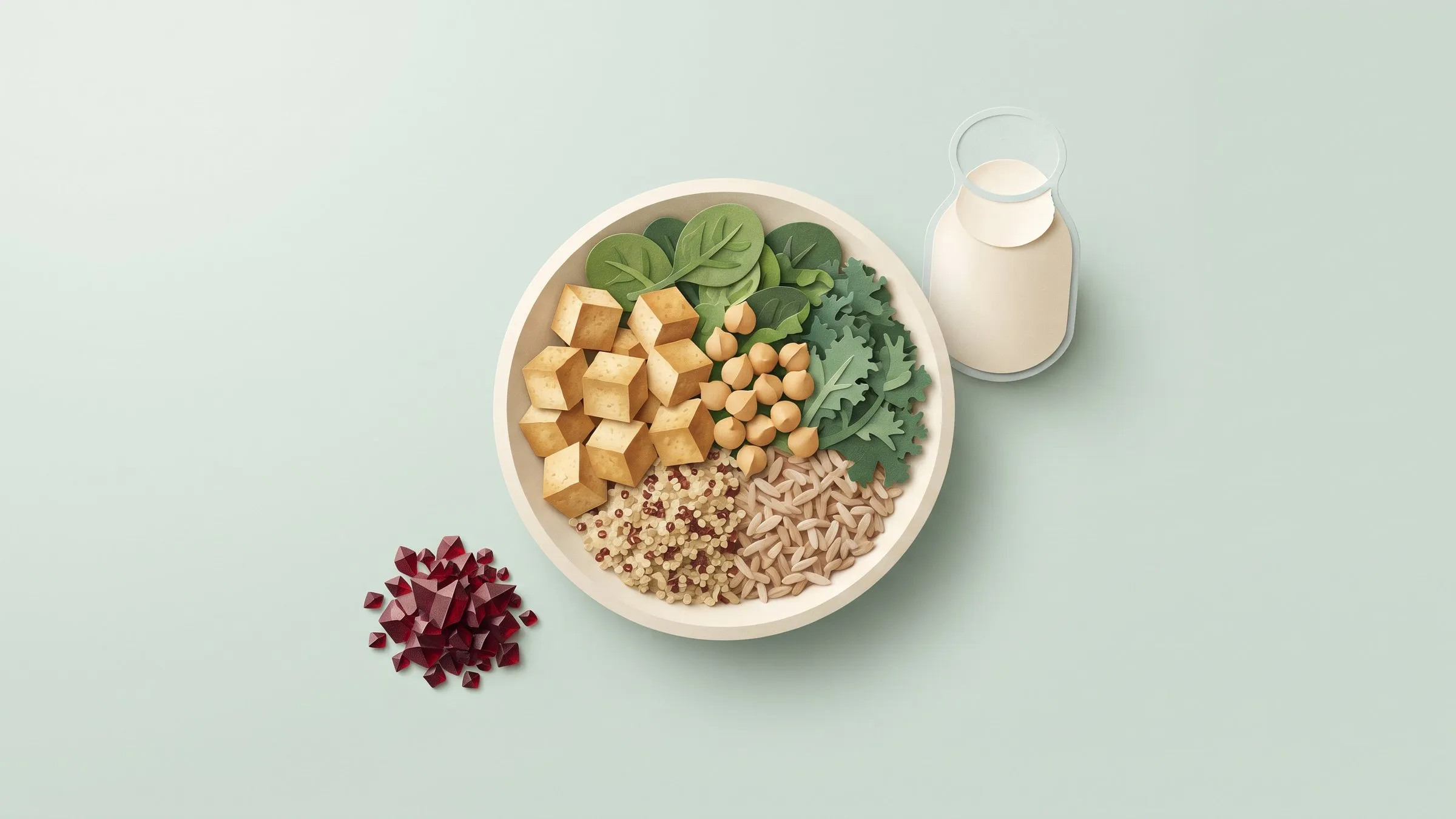
Most people who eat meat, fish, eggs or dairy get enough vitamin B12 from food. Vegans don't, and older adults and people on some common medicines may not absorb enough. Here is who should take it, how much, and which label promises to ignore.
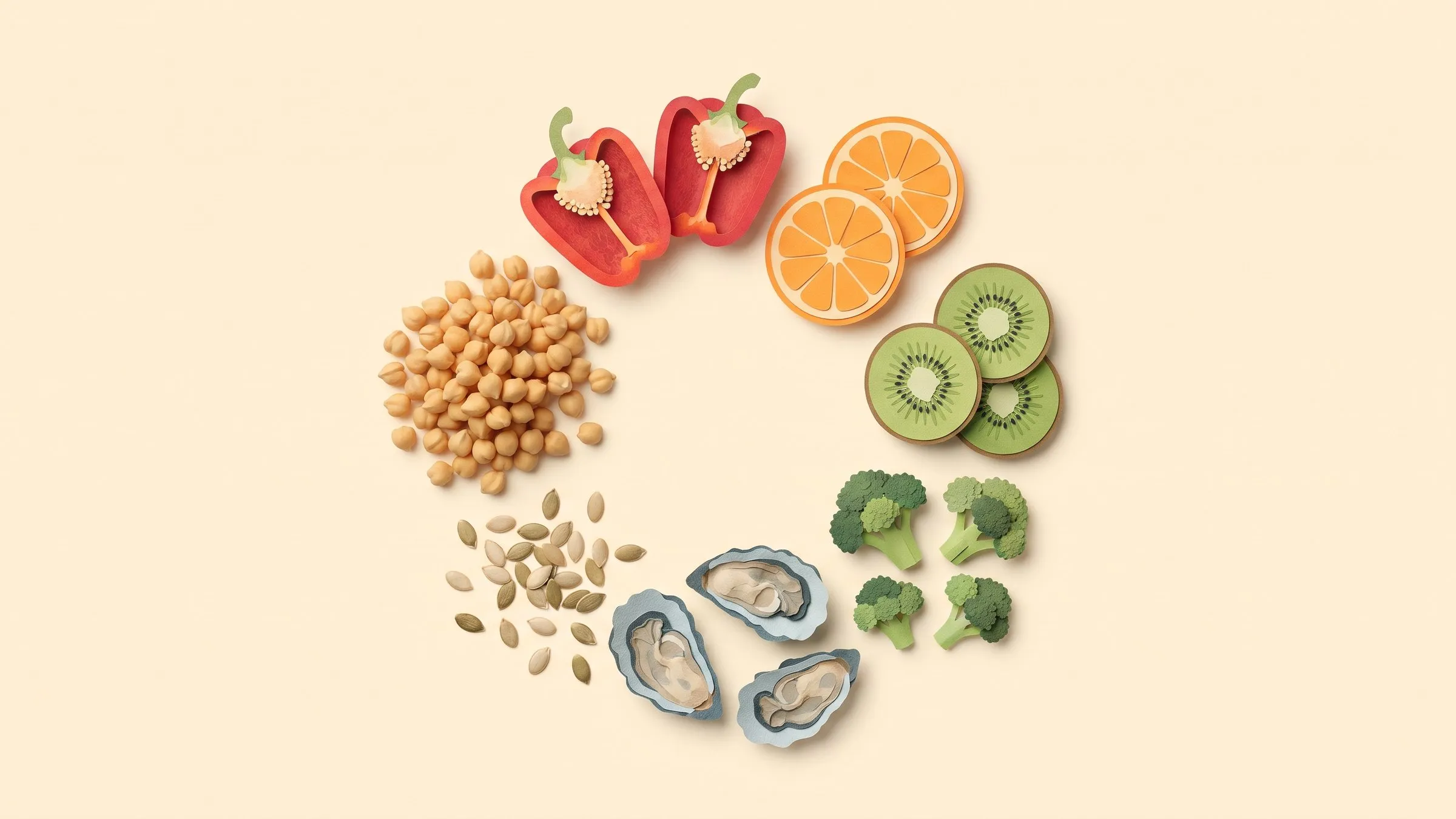
Half a raw red pepper already covers the day's vitamin C. Zinc takes a little more thought, especially if you eat little meat. We show which winter foods give the most per serving and how to keep the vitamin C in the kitchen.
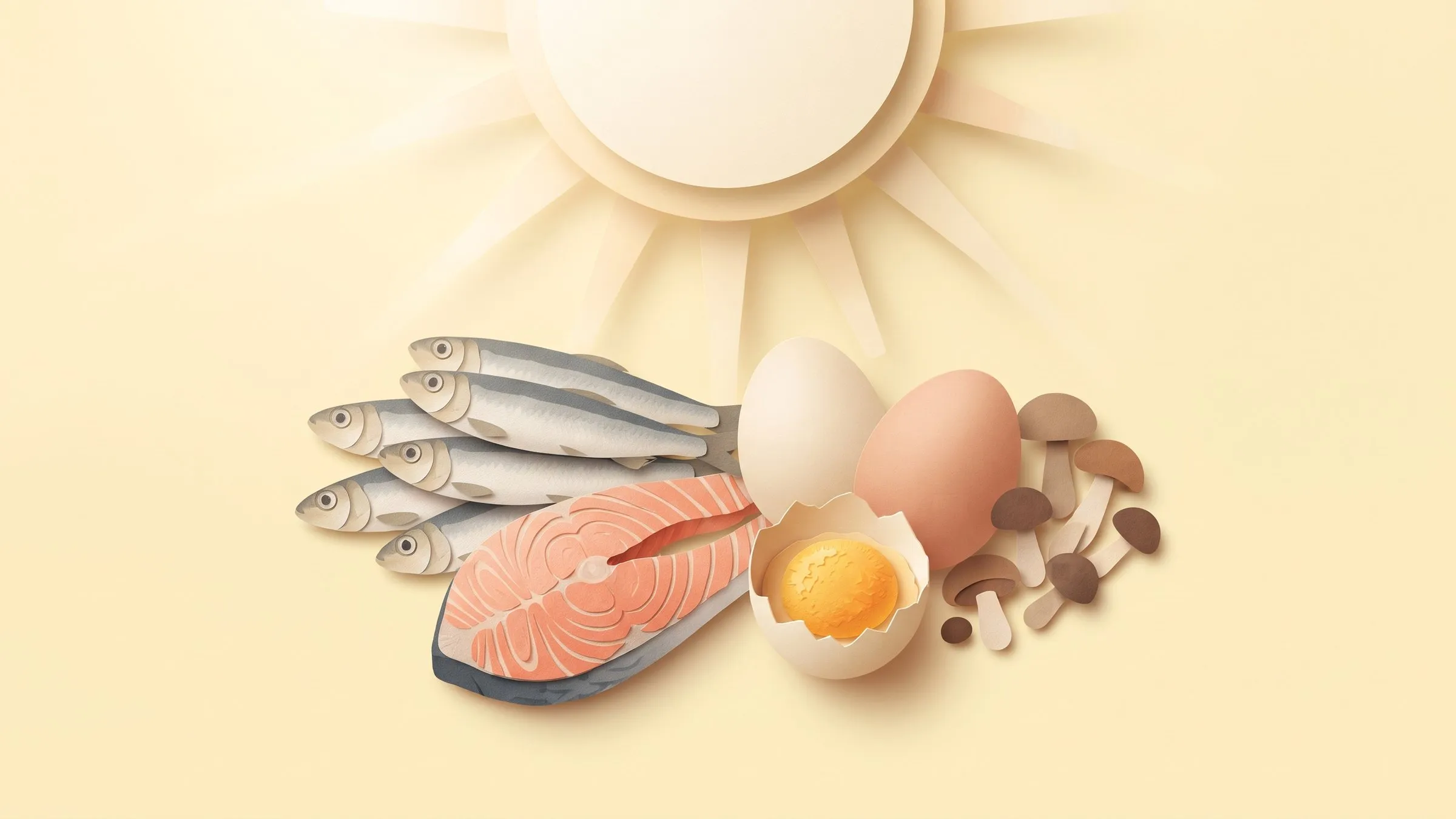
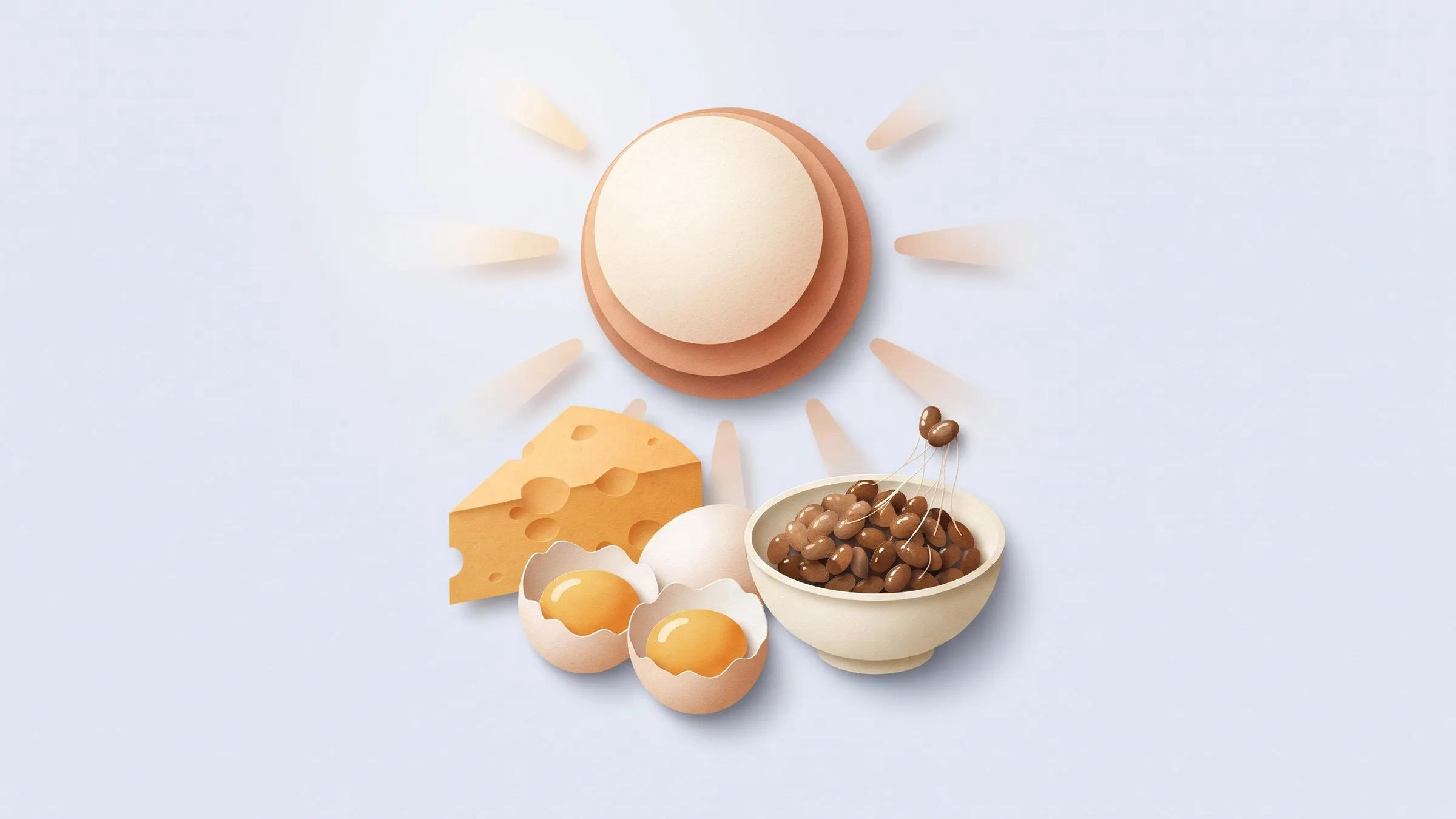
With vitamin D, food only gets you part of the way. Even with oily fish three times a week and an egg a day, you cover 43–75% of the UK's 10 µg a day, or 28–50% of what EFSA considers adequate. Here are the numbers and what to do with them.
Blood levels fall every winter in the UK and across Europe. Here is what the NHS and official bodies say about how much to take, the safe maximum, and why limits differ between countries.
D3 + K2 combinations are marketed as if vitamin D were risky without K2. Official bodies don't see it that way. Here is what they say about the combination, the doses and who should avoid it.
Winter brings the vitamin C sachets and zinc lozenges. The best available reviews show small effects, and rarely where the marketing says. Here is what is actually known.
7 min read
No guides match your search.
We use Google Analytics cookies to see which pages are useful, only if you agree. The site works the same either way. Cookie policy